
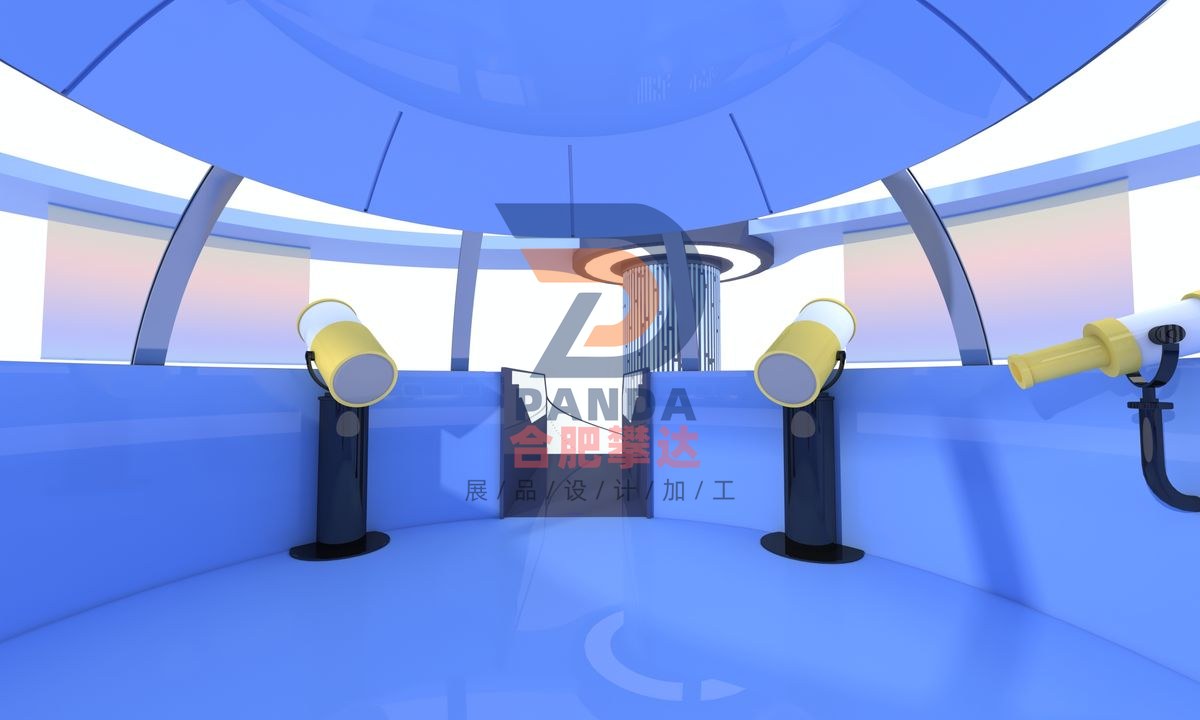
Air Cannon
Kids' Zone · Interactive
- DimensionsSubject to on-site plan
- PresentationInteractive
- PricingQuoted by manufacture spec
Air Cannon is a hands-on, mechanical & electromechanical interactive exhibit manufactured by Hefei Panda for science centers, children’s museums, discovery centers, STEM learning centers and family entertainment centers. Engineered for durable, robust, low-maintenance, high-traffic gallery installation, it turns abstract scientific concepts into direct, interactive visitor exploration. Hefei Panda is a global exhibit manufacturer exporting hands-on science displays to 50+ countries, with in-house engineering, fabrication, installation and commissioning.
Exhibit Summary
Air Cannon is a Interactive interactive exhibit in the Kids' Zone category, designed for science centers, children’s museums, discovery centers, STEM learning centers and family entertainment centers. Built as a hands-on, mechanical & electromechanical display, it turns an abstract scientific concept into direct, interactive visitor exploration, and is engineered for durable, low-maintenance, high-traffic gallery use.
Scientific Principle
The displays help children grasp the basic knowledge of fluid mechanics, the characteristics of air, and the power of air via hands-on experience. And further discover the principles and influencing factors of pressure. Let children quickly grasp the impact of pressure on the state of objects. Improve children's thinking and inquiry abilities.
Operation
The exhibition is set up on the second-floor platform of the UN science spacecraft and consists of two air cannons, colored scales, smoke generators, etc. One reveals colorless and odorless air when photographed, while the other has an atomizer embedded inside to atomize water into water vapor, creating a smoke ring effect when photographed. The air vibrates because force is applied. For example, if you hit the table hard, the sound is caused by the vibration of the table causing the surrounding air to vibrate (mainly the air around the point of force application. Of course, there are also reasons why you compress the air to make the air move around. The movement of air around is also propagated in the form of mechanical waves). This is a mechanical wave: a way of transferring energy. The realization of air cannon is the transmission of mechanical waves. The mechanical vibration of an object can propagate in the air, and the propagation of mechanical vibration in the air is called mechanical wave. When vibration is transmitted to an object and causes the object to vibrate, and the object's natural frequency happens to be close to or the same as the transmitted vibration frequency, resonance will occur. During resonance, the intensity of the object's vibration will be greatly deepened.
Export-Ready Features
- Durable, robust construction for high-traffic gallery environments
- Low-maintenance electromechanical design with reliable, safe components
- Custom sizing, theming & multilingual labeling available
- OEM & turnkey exhibit solutions with full project management
- Overseas shipping, export documentation & on-site installation supported
- Shipped to science centers and museums in 50+ countries