
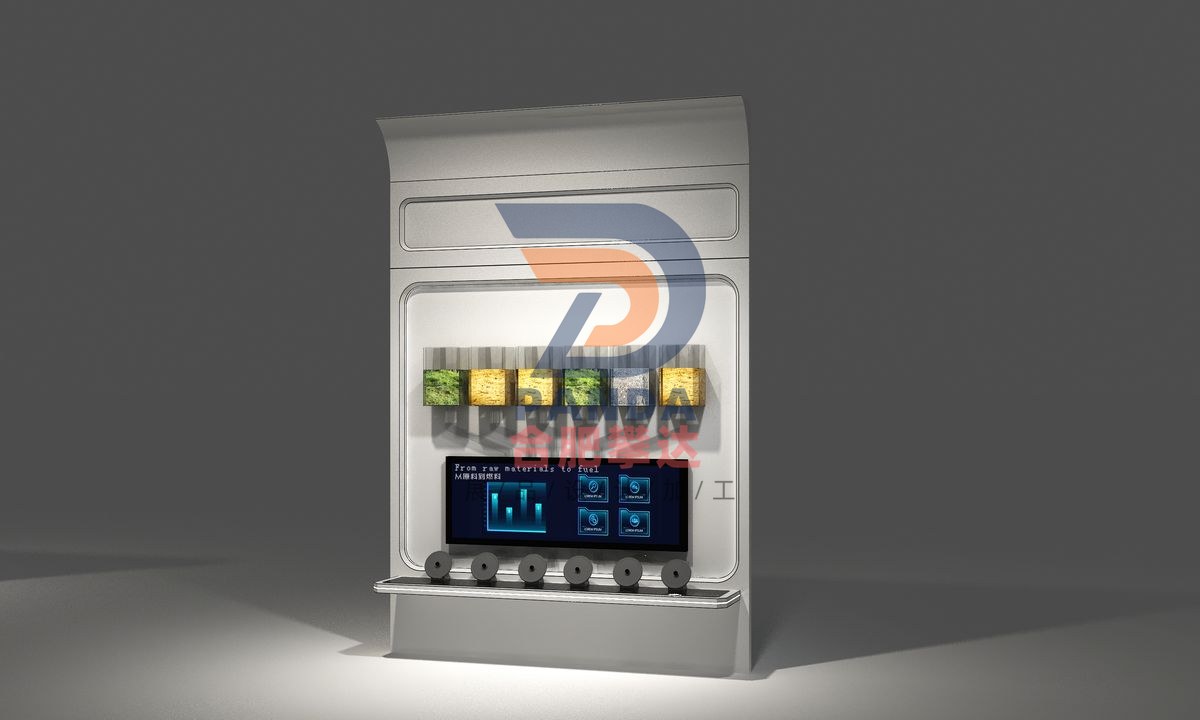
From raw materials to fuels
Earth & Planet · Interactive
- DimensionsSubject to on-site plan
- PresentationInteractive
- PricingQuoted by manufacture spec
From raw materials to fuels is a hands-on, mechanical & electromechanical interactive exhibit manufactured by Hefei Panda for science centers, children’s museums, discovery centers, STEM learning centers and family entertainment centers. Engineered for durable, robust, low-maintenance, high-traffic gallery installation, it turns abstract scientific concepts into direct, interactive visitor exploration. Hefei Panda is a global exhibit manufacturer exporting hands-on science displays to 50+ countries, with in-house engineering, fabrication, installation and commissioning.
Exhibit Summary
From raw materials to fuels is a Interactive interactive exhibit in the Earth & Planet category, designed for science centers, children’s museums, discovery centers, STEM learning centers and family entertainment centers. Built as a hands-on, mechanical & electromechanical display, it turns an abstract scientific concept into direct, interactive visitor exploration, and is engineered for durable, low-maintenance, high-traffic gallery use.
Scientific Principle
This display allows viewers to choose different raw materials such as wood chips, food waste, corn, crude oil, etc., and via multimedia introduction, they can grasp the process of converting the materials into fuels and guide the viewers to think about the science principles behind it.
Operation
Fuel energy refers to energy that can be used as fuel. It mainly provides energy in the form of thermal energy. According to different sources, it can be divided into fossil fuels, biomass fuels and nuclear fuels. According to 2019 data from the British BP, 93% of China's carbon emissions come from the use of fossil fuels. During the combustion process of fossil fuels, mainly coal, oil, and natural gas, carbon is converted into carbon dioxide and enters the atmosphere, increasing greenhouse gas emissions. Each fuel has its pros and cons, including cost and environmental impact. For example, diesel is relatively efficient, but releases carbon dioxide and pollution particles; biofuels have almost zero carbon dioxide, but take up valuable land and are expensive to produce; synthetic oil seems to save oil, but it is made of coal and results in the same carbon dioxide emissions; electricity used in battery vehicles is clean, but power plants produce carbon dioxide and other pollutants. The displays are designed to show the conversion process of raw materials into fuels. Through physical display and multimedia introduction, the transparent pellet containing the actual raw material falls from the top container track, triggering the multimedia to play the video introduction of the processing process of turning the raw material into fuel. Finally, the fuel physical transparent pellet corresponding to the raw material falls from the lower track and is transported to the initial position by the lifting assembly.
Export-Ready Features
- Durable, robust construction for high-traffic gallery environments
- Low-maintenance electromechanical design with reliable, safe components
- Custom sizing, theming & multilingual labeling available
- OEM & turnkey exhibit solutions with full project management
- Overseas shipping, export documentation & on-site installation supported
- Shipped to science centers and museums in 50+ countries